Simulation & Scenario-Based Preparedness
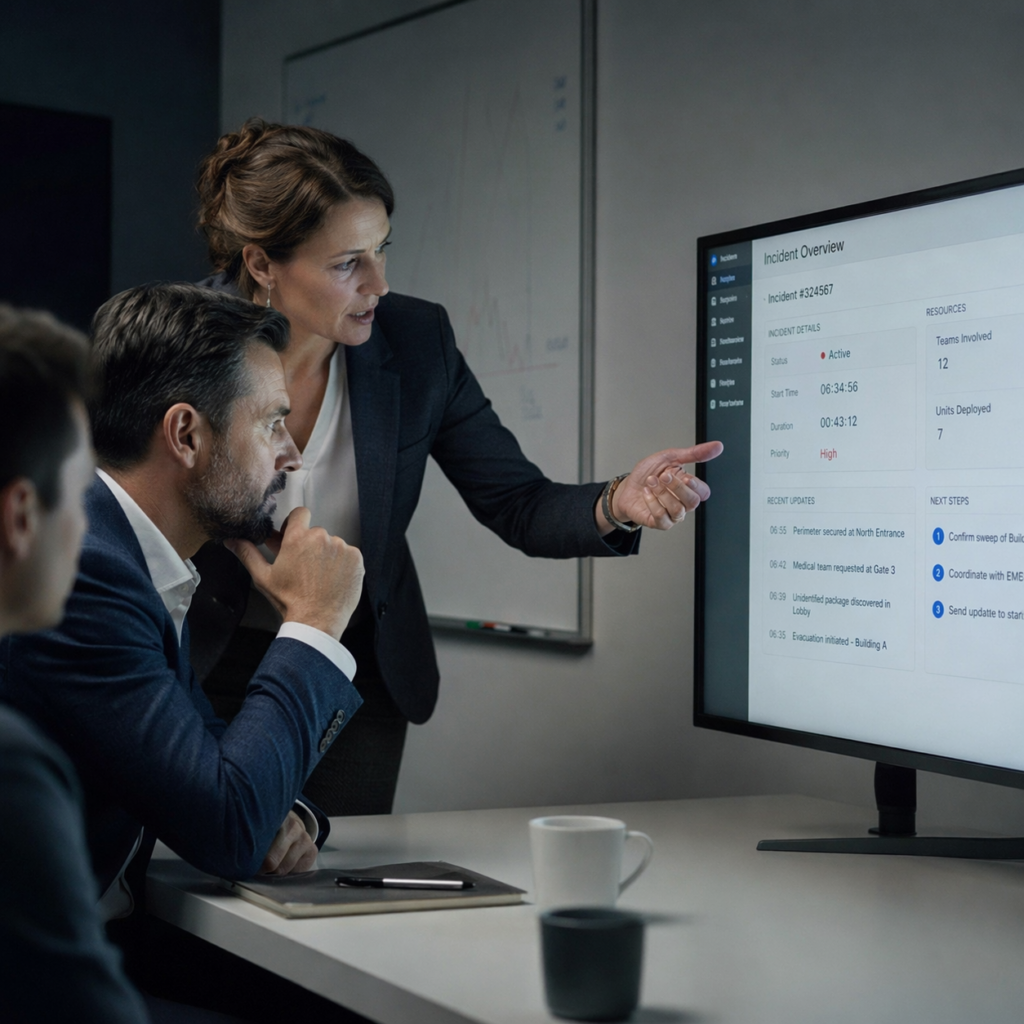
Preparedness requires more than defined processes. Kycos integrates simulation with digital workflows to create environments where decisions can be tested, performance can be observed, and procedures can be validated before real-world impact occurs.
Kycos provides digital simulation environments that allow organizations to train teams, test procedures, and improve decision-making in realistic, controlled scenarios. These simulations go beyond theory by placing users in situations that reflect operational, compliance, and crisis contexts.
The result is not only better preparation, but more confident and coordinated responses when it matters most.
Training for Complex and High-Impact Situations
Organizations increasingly operate in environments where decisions must be made under pressure, uncertainty, and time constraints. Traditional training methods are often not sufficient to prepare teams for complex, real-world situations.
Kycos provides digital simulation environments that allow organizations to train teams, test procedures, and improve decision-making in realistic, controlled scenarios. These simulations go beyond theory by placing users in situations that reflect operational, compliance, and crisis contexts.
The result is not only better preparation, but more confident and coordinated responses when it matters most.
From Procedures to Real-World Execution
Policies and procedures are only effective if they can be applied in practice.
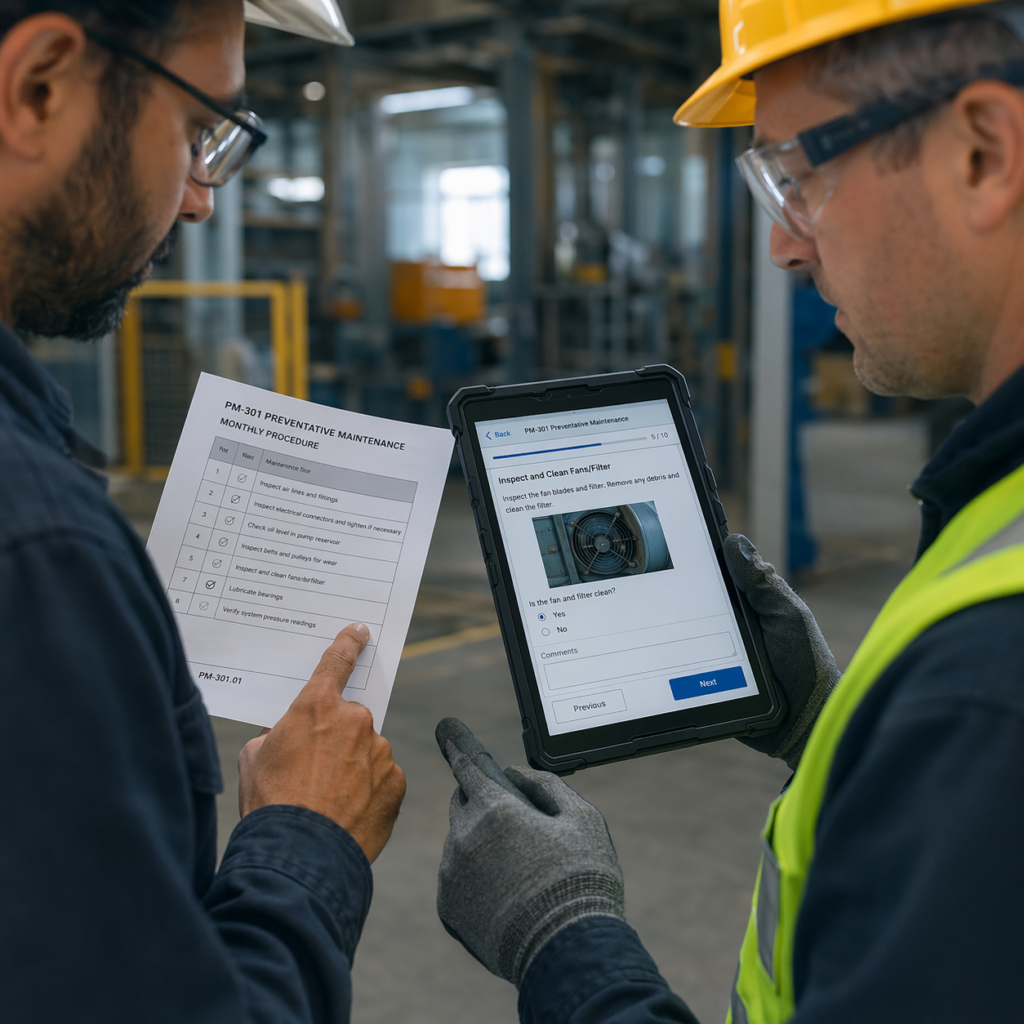
Kycos simulations transform static documentation into interactive scenarios where teams must interpret information, make decisions, and follow structured workflows. This allows organizations to validate whether processes actually work under real conditions.
By connecting simulation with operational logic, organizations can:
– test procedures before real-world execution
– identify gaps and inefficiencies
– improve consistency in decision-making
Scenario-Based Training
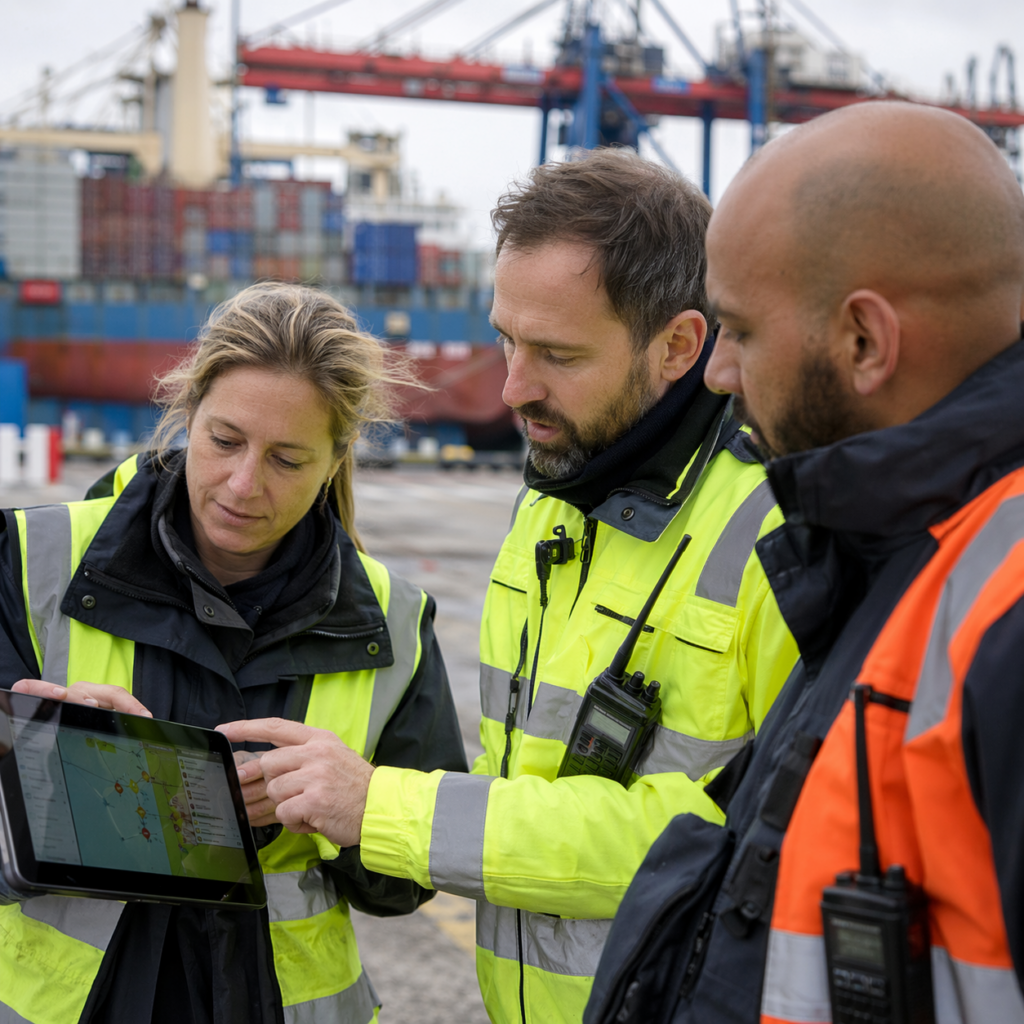
Kycos enables organizations to design and run scenarios tailored to their specific risks and operations, such as:
– crisis and incident response
– compliance investigations and escalations
– onboarding and operational workflows
– safety and emergency procedures
Each scenario guides users through structured steps, decisions, and consequences, helping them understand not just what to do, but why and when.
Learning Through Action and Feedback
Simulation environments create a safe space to learn from mistakes without real-world consequences.
User actions, decisions, and timing can be captured and analyzed, providing insights into performance, response patterns, and skill development.
Organizations benefit from:
– improved situational awareness
– stronger team coordination
– faster and more confident decision-making
– measurable training outcomes
Features
Create realistic operational and emergency scenarios for training, preparedness, and decision support.
Support collaborative exercises and workflow-driven simulations for teams and organizations.
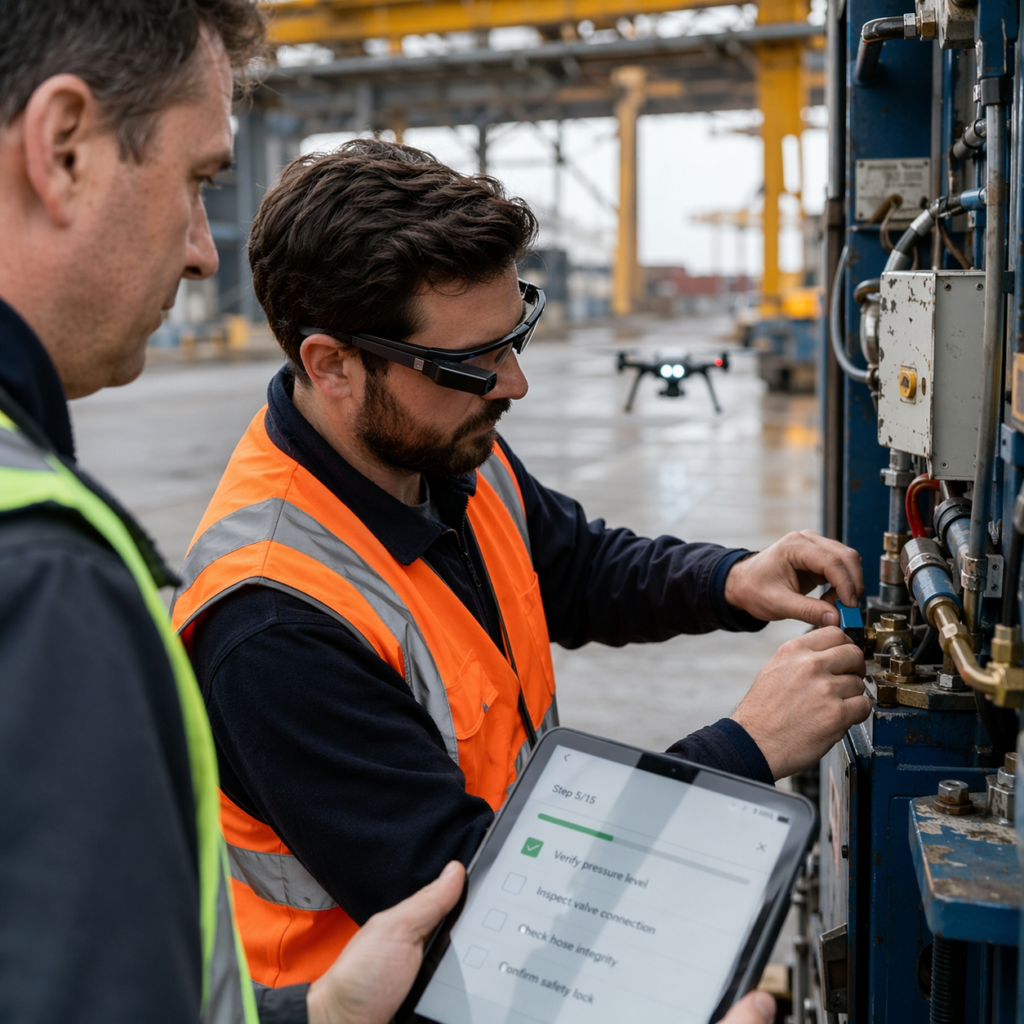
Combine digital workflows with immersive technologies such as AR, VR, and assisted reality devices.
Simulate complex situations to improve situational awareness, coordination, and response readiness.
Guide users step-by-step through procedures, protocols, and response actions during exercises.
Access simulations and workflows through web, mobile, tablet, and wearable devices.
Capture actions, responses, and workflow execution data for review and analysis.
Adapt simulations and preparedness workflows to different sectors, operational environments, and organizational needs.
Benefits
Prepare teams for complex, operational, and high-risk situations through realistic simulation and scenario-based exercises.
Support faster and more informed responses during complex scenarios.
Allow personnel to practice procedures and emergency responses without operational risks.
Enhance coordination and communication between teams, departments, and stakeholders.
Improve consistency and confidence in executing procedures and response protocols.
Deploy simulations across multiple locations, teams, and operational contexts.
Use captured performance data and exercise feedback to optimize procedures and training strategies.
Combine workflows, simulation systems, sensors, and immersive technologies within one ecosystem.
Signup For a Consultation